The Wildebeest Migration Viewing experience is one of the most awe-inspiring natural spectacles on Earth. Each year, over 1.5 million wildebeest, accompanied by zebras and gazelles, move in a massive circular journey across the Serengeti-Mara ecosystem, driven by the search for greener pastures and water.
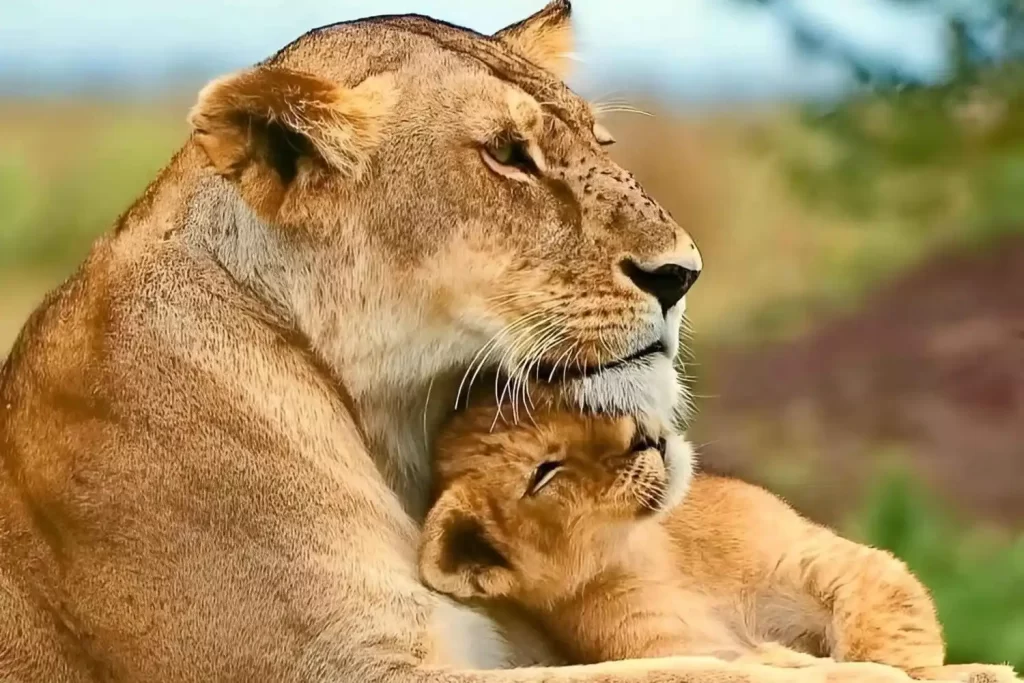
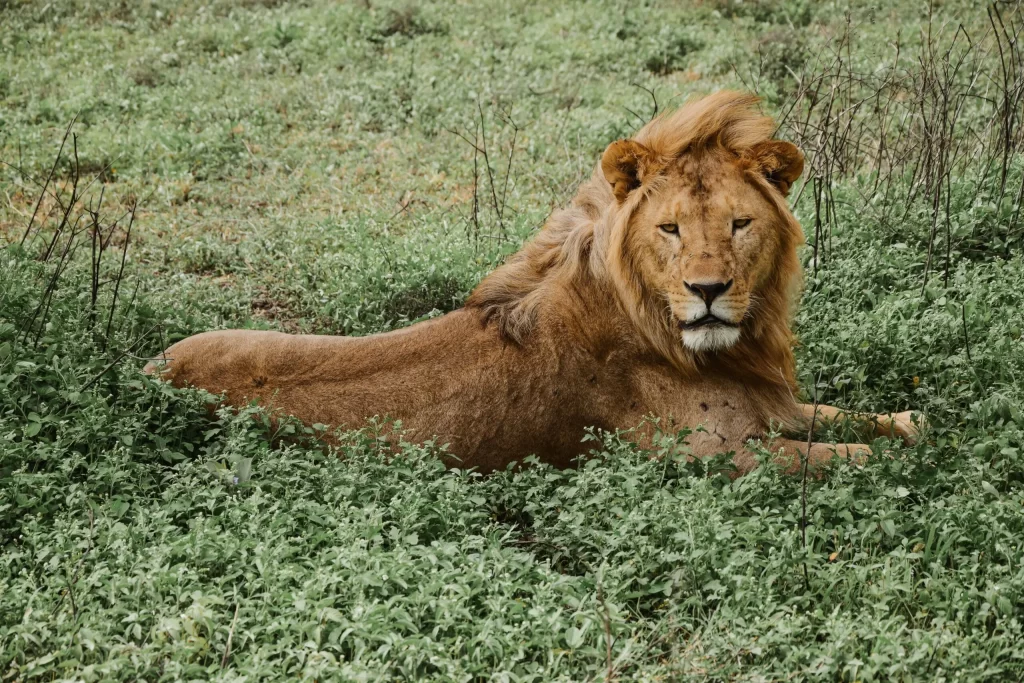
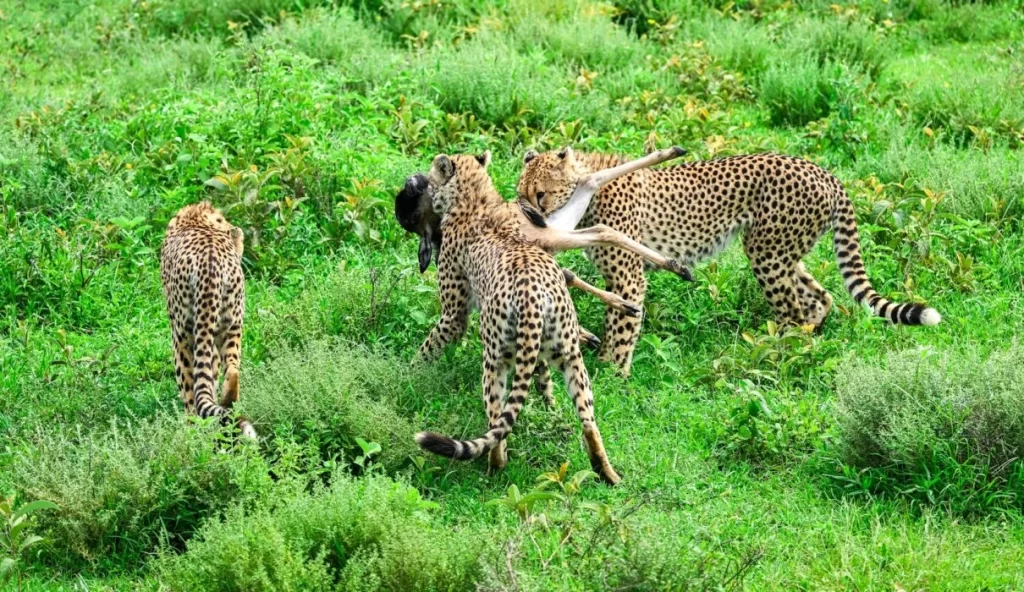
From December to March, the herds gather in the Southern Serengeti and Ndutu plains for calving season, where thousands of young are born daily attracting predators such as lions and cheetahs. As the dry season approaches (April to June), the animals begin their long march northward, crossing rivers and open plains in one of nature’s greatest survival challenges.
By July to September, the herds reach the Grumeti and Mara Rivers, where dramatic river crossings take place. Crocodile-filled waters and steep banks make these moments tense and emotional, as thousands of wildebeest fight to survive. After the rains return, the herds begin their journey back south, completing the endless circle of life.
Witnessing this migration is about timing and location. With expert guidance, visitors can be in the right park at the right time to experience the drama, energy, and rhythm of nature’s greatest journey.
Highlights:
- Duration: Year-round (migration moves continuously)
- Key locations: Serengeti National Park (South, Central, and North), Grumeti River, Mara River
- Best viewing months:
- December–March: Calving in Ndutu/Southern Serengeti
- June–July: Grumeti River crossings
- July–September: Mara River crossings (Northern Serengeti)
- October–November: Return to Central and Southern Serengeti
- Wildlife: Wildebeest, zebras, gazelles, lions, hyenas, crocodiles, and cheetahs
- Ideal for: Wildlife enthusiasts, photographers, and filmmakers