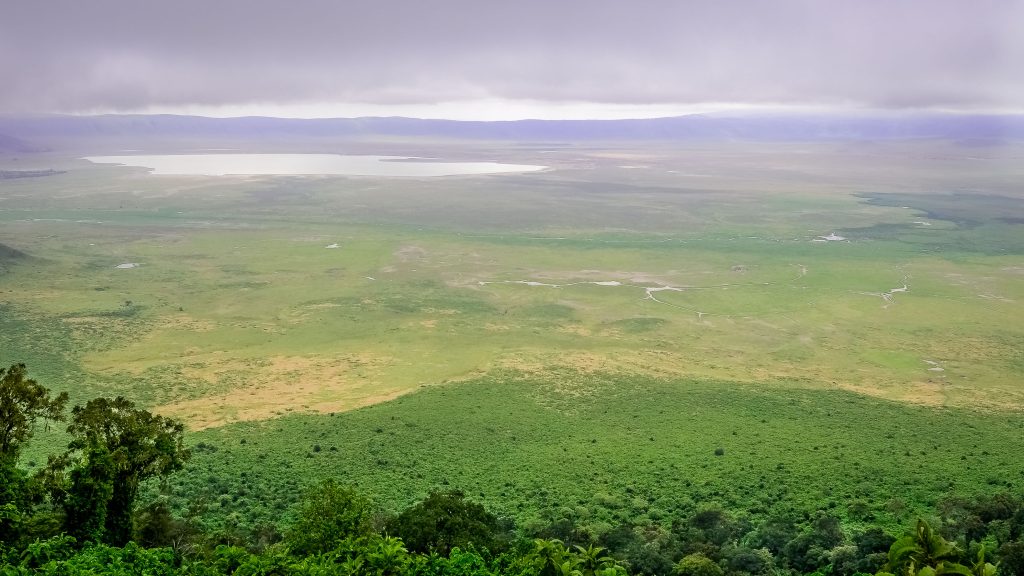
Walking safaris in Tanzania offer one of the most intimate and authentic ways to experience the African wilderness. Unlike traditional game drives, where visitors observe wildlife from a vehicle, walking safaris place you directly on the ground — allowing you to see, hear, smell, and feel the rhythm of nature around you.
Guided by experienced rangers and armed wildlife scouts, walking safaris provide a deeper connection to the environment, where every footprint, rustling leaf, and birdsong tells a story of the wild.
What to Expect on a Walking Safari:
Walking safaris typically take place in the early morning or late afternoon when temperatures are cooler and animals are more active. Groups are kept small for safety and minimal disturbance to wildlife.
- During the walk, guides interpret the bush in fascinating detail — pointing out:
- Animal Tracks and Signs: Learn how to identify footprints, droppings, and feeding marks.
- Plants and Trees: Discover their medicinal and traditional uses in local cultures.
- Birds and Insects: Observe smaller creatures often missed on game drives.
- Animal Behavior: Gain insights into how wildlife interacts within its ecosystem.
Unlike vehicle safaris focused on big game, walking safaris highlight the small wonders and fine details of the wilderness that make the ecosystem thrive.
Wildlife and Landscapes Encountered:
Depending on the park or reserve, you may encounter:
- Giraffes, zebras, and antelopes grazing peacefully nearby.
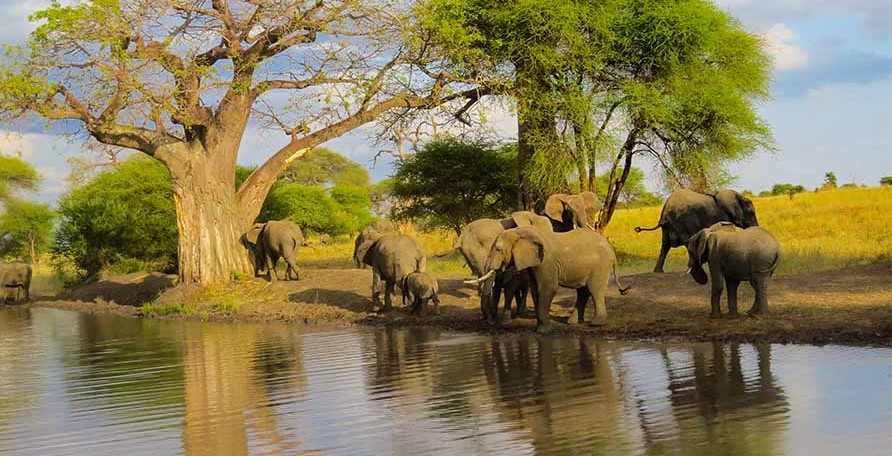
- Elephants and buffaloes from a safe distance.
- Bird species, butterflies, and reptiles in their natural habitats.
- Varied landscapes including open plains, riverbanks, acacia woodlands, and rocky escarpments.
Each step offers new discoveries and a thrilling sense of presence — a reminder that you are a visitor in nature’s domain.
Top Walking Safari Destinations in Tanzania:
Selous Game Reserve (Nyerere National Park): One of the best areas for guided walking safaris with diverse terrain and abundant wildlife.
Ruaha National Park: Offers raw, remote wilderness with elephants, kudu, and predators occasionally sighted on foot.
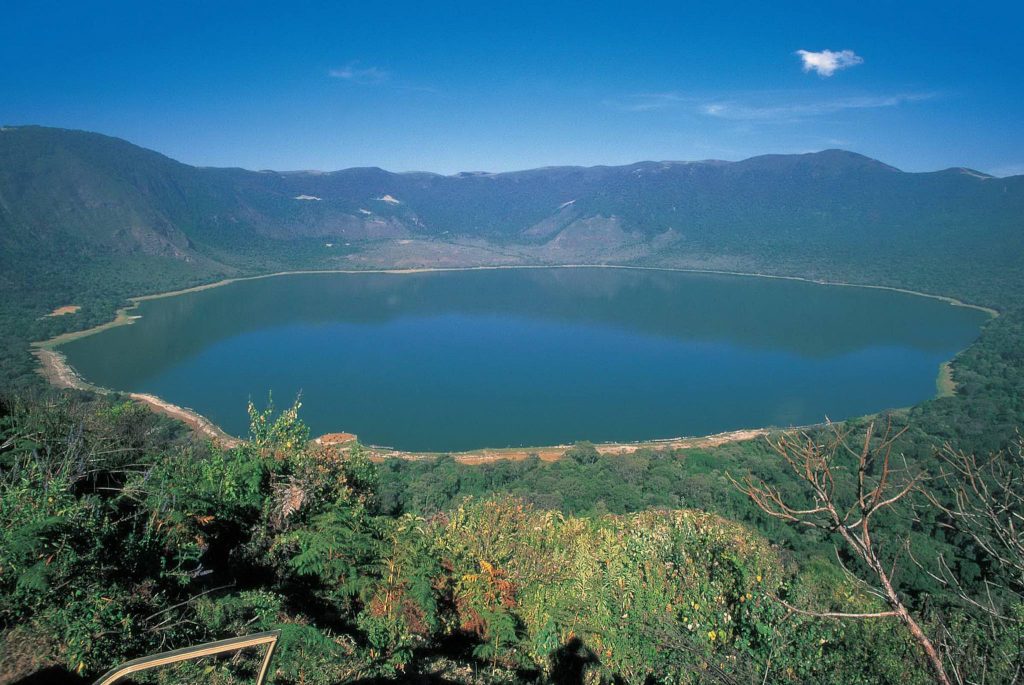
Ngorongoro Conservation Area: Walking along the highlands provides spectacular views and encounters with Maasai herders.
Tarangire and Lake Manyara National Parks: Great for shorter, educational bush walks focusing on flora and smaller fauna.
Arusha National Park: Offers scenic guided walks to waterfalls and the foot of Mount Meru.
- Safety and Guidance:
All walking safaris are conducted under strict safety standards: - Led by trained professional guides and armed rangers.
- Conducted in small groups (usually 2–6 participants).
- Designed to maintain a safe distance from large or dangerous animals.
Emphasis on conservation, respect for wildlife, and minimal environmental impact.
Best Time to Go:
- June to October (Dry Season): Best visibility and comfortable walking conditions.
- November to May (Green Season): Lush scenery and excellent opportunities for birdwatching and photography.
Ideal For:
- Nature lovers seeking a slower, more immersive experience.
- Photographers and students of ecology or conservation.
- Adventurers looking for a peaceful yet thrilling encounter with the wild.
Key Highlights:
- Experience the wilderness on foot — up close and personal.
- Learn bush skills, tracking techniques, and ecological facts.
- Enjoy the thrill of seeing wildlife without vehicle noise.
- Ideal for those who value quiet observation and connection with nature.